Deadlock Matchups Explained: How To Read Counter Data Without Drafting A Spreadsheet
Mobalytics has a useful matchup table, but it is lane-assignment data, not a magic counter bible. The winning move is reading the method before arguing over the percentages.
A matchup table is a map. It is not a court order.
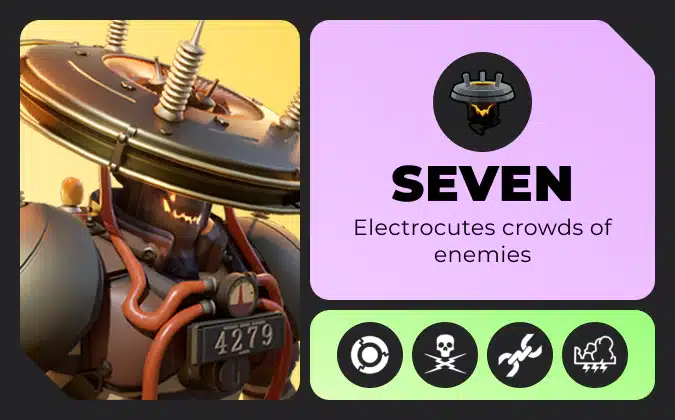
Deadlock matchup data is useful, but it becomes dangerous the moment someone starts treating it like a sacred counterpick tablet. On June 16, 2026, Mobalytics’ Deadlock Matchups Tier List ranked Seven first at 57.0% win rate, with Victor, Graves, McGinnis, Kelvin, Ivy, Calico, and Billy visible behind him. That is a strong starting point. It is not the end of the argument.
The most important line on the page is not the top percentage. It is the methodology. Mobalytics says the matchup table is based on matches collected as they are played, uses a 7-day timeout cycle because Deadlock changes quickly, and reflects cases where the two characters were assigned to the same lane at match start.
What The Matchup Table Actually Measures
The page is best read as same-lane matchup context plus game result. Mobalytics says the win percentage means the game was won by the listed character. That is narrower than “this hero always wins the lane,” and broader than a clean duel test. Deadlock lanes spill into rotations, Urn fights, teamfight value, scaling, and late-game mistakes. The number catches the match outcome. It does not explain every step that got there.
That difference matters. Seven can look strong in matchup data because he wins messy fights, pressures objectives, and scales into terrifying area control. That does not mean every Seven lane is effortless, or that every opponent listed under him is a free snack. If you read the table as an automatic counter sheet, you are skipping the part where Deadlock makes you play the match.
Why Seven Is The Headline
Seven being first lines up with the broader June 16 tracker picture. DramaLock’s current tier-list pass already found Seven at the top of both Mobalytics and Tracklock hero snapshots, and the matchup page keeps him at the front. When one hero keeps showing up across different tracker surfaces, it is worth taking seriously.
The better question is why he is winning. A top matchup rank can come from lane pressure, but it can also come from later fights, objective presence, build stability, or how often the hero punishes disorganized teams. That is why a matchup guide should send you into a replay, not just into a louder comments section.
How To Use Counter Data Without Fooling Yourself
First, record the date. The checked snapshot is June 16, 2026, and Mobalytics itself says it uses a short 7-day cycle because Deadlock is patched quickly. A good matchup today can become merely fine after one ability tuning pass.
Second, separate “same lane at match start” from “controlled 1v1.” Duo lanes, swaps, jungle pressure, team rotations, and objective fights all bend the result. If a hero wins the match after losing the first five minutes, the matchup table still sees a win.
Third, look for repeated signals. One odd percentage is interesting. A hero appearing near the top of matchups, synergies, hero tier lists, and pro-build data is louder. That is where Seven currently becomes hard to ignore.
The Short Version
Use Mobalytics’ matchup table to spot current patterns, not to outsource your draft brain. Seven, Victor, Graves, McGinnis, Kelvin, Ivy, Calico, and Billy were the visible top-eight names on the June 16 snapshot, but the page’s own caveats matter: no skill-level structure, fast patch turnover, and same-lane assignment rather than a perfect counter test.
Source note: Mobalytics matchup data was checked on June 16, 2026. It is treated as a third-party tracker snapshot, not official Valve balance guidance.